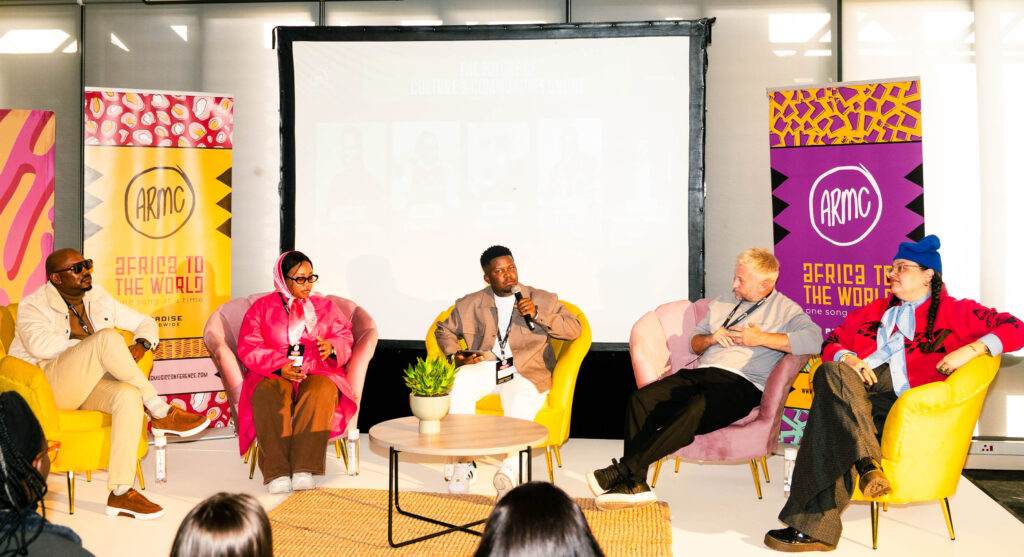
Over 1,000 artists, industry executives and policymakers from across the world convened at Constitution Hill, Braamfontein last month for the 6th edition of the Africa Rising Music Conference (AMRC). Multiple facets of the music industry were unpacked, including the importance of authenticity and being true to oneself, the impact of Artificial Intelligence (AI), the response of legal frameworks to the ever-changing music business and the evolution of artistry.
What the experts have to say
Elaine, AKA Ndivhuwo Elaine Mukheli, leads her musicality with authenticity and believes it is the responsibility of artists, and not the media that reports on them, to retain a clean brand. She described authenticity as remaining true to herself, even when it may not be cool to do so. The musician calls herself a responsible adult who is cognisant of only giving the public access to the intimate details of her life on a need-to-know basis. This statement is supported by how Elaine has never been the centre of any personal, romantic, family-related or criminal scandal in the news.
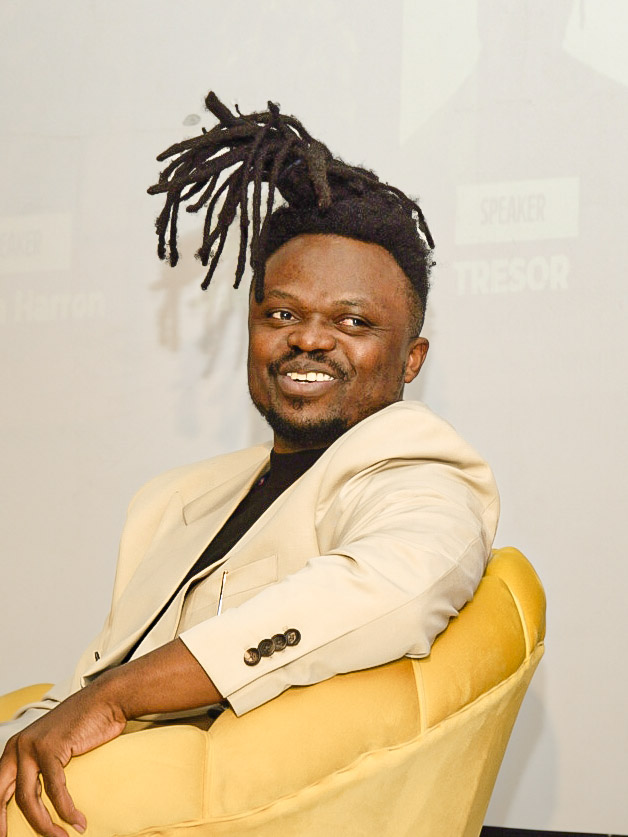
“It’s important to have the right people around you that can guide you. Media training may sound mundane to some, but investing in yourself is the best thing you can do for yourself as an artist,” she said.
She is a patriot who believes that South Africa is one of the most international countries in the world from a musical perspective. However, she puts the onus on consumers to educate themselves about Mzansi’s musical legacy, as it has been documented both locally and globally.
Africa still has a long way to go to catch up with the rest of the world in the AI conversation. This is the professional observation of AI Masterclass Summit founder Trenton Birch, who points out that AI is moving at an exceptionally high speed globally. He suggested utilising the intellectual property (IP) that already exists elsewhere, and modelling it to African environments.
“We actually have no choice but to catch up. This is the biggest revolution we will ever see and we are not prepared for the disruption that is coming,” Birch cautioned.
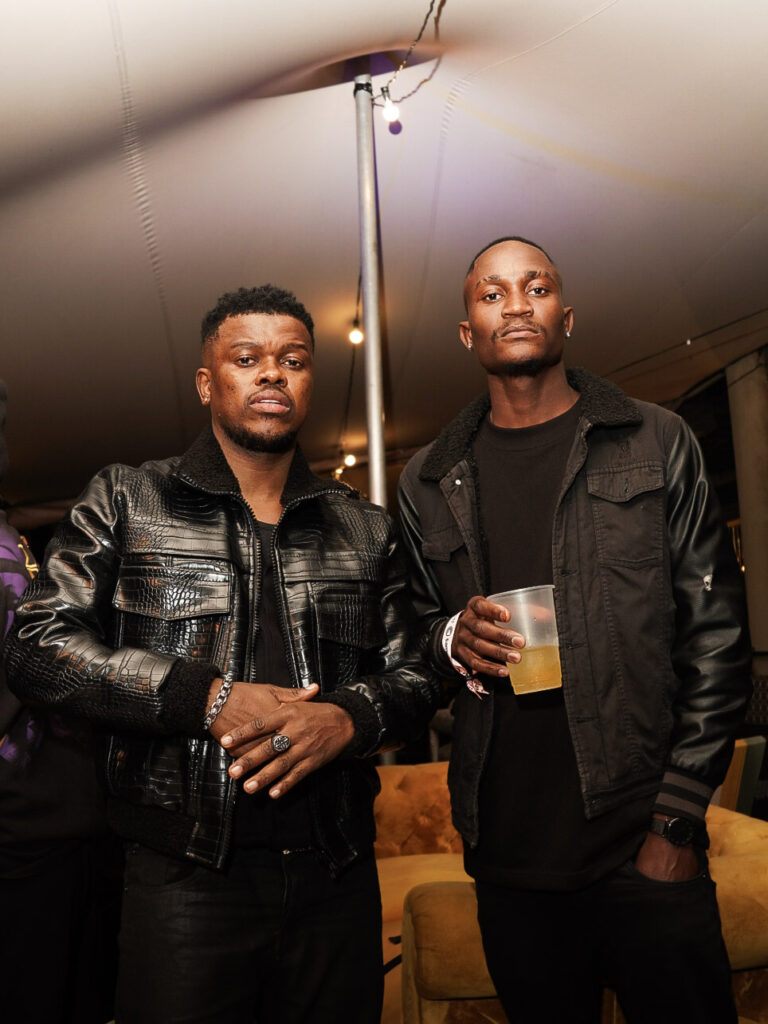
In 2025, News24 reported that internationally renowned South African author Zakes Mda won a share in a $1.5 billion settlement against AI company Anthropic for alleged IP theft. However, there is limited protection for emerging artists with no access to resources. Mazisa Advisory Services director Mpumi Mazibuko had a different view from Birch, stating that South Africa’s intellectual property laws proved to be strong when tested in the courts. However, he conceded that using AI to “steal” other artists’ IP and recreating their work on different platforms infringes and erodes their rights.
“If somebody understands and appreciates AI, they can help you determine if you have rights to claim, whether those rights have been infringed, and also how to assert yourself and get recourse,” Mazibuko explained.
Does it still matter when an artist releases new music?
Panellists dissected how audience trends in the current digital era suggest a shift from “New Music Friday”, as people seem to move on at a much faster pace. Artists were advised to have a clear vision when releasing music, and to pay extra attention to their authenticity, as this is what appeals to users of popular platforms like TikTok.
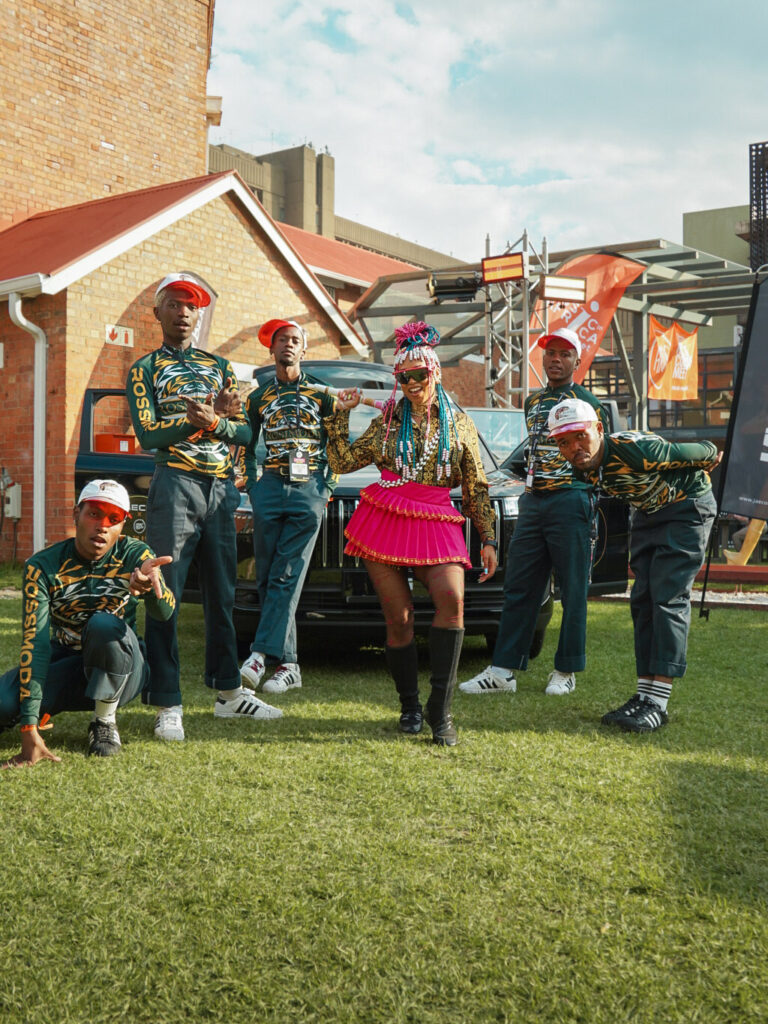
Branding matters, as the experts relayed how A-listers such as Beyoncé, who have invested many years in perfecting their craft, could drop new music on any random day and it would still catch on. This is risky territory for emerging artists, as it largely depends on the stability of an artist’s followership and loyalty from their followers. It is also a nuanced conversation because, from an African perspective, cultural narratives come into play.
How music was consumed then and now
Commercial success in the current era also carries a different meaning to what this meant for artists two decades ago. In August 2025, social media was abuzz with claims of Tyla’s career allegedly “flopping” as the global superstar had sold about 4,000 copies of her EP, We Wanna Party, in its first week of release. However, South African music industry executives who spoke to City Press broke down how album sales in a digital era could no longer be viewed as an accurate measure of an artist’s success, or the lack thereof.
Award-winning producer and DJ Ameen Harron emphasised that contemporary consumers were more likely to discover new music on social media platforms such as Instagram or TikTok instead of traditional radio. He swears by the latter’s music platform SoundOn, adding that TikTok’s icon being a music note is an indication that the platform was perhaps made for musicians and dancers.
“I think musicians need to utilise and see TikTok as a tool and not just as a place to discover new music. Artists need to be intentional about that,” he said. His advice is to meet consumers where they are because social media has democratised the industry, and broadcasting corporates no longer control the narrative. The fans do.